

Bamyan of Afghanistan: History, Culture, and Experiences Through the Eyes of Foreign Visitors
Introduction Bamyan of Afghanistan
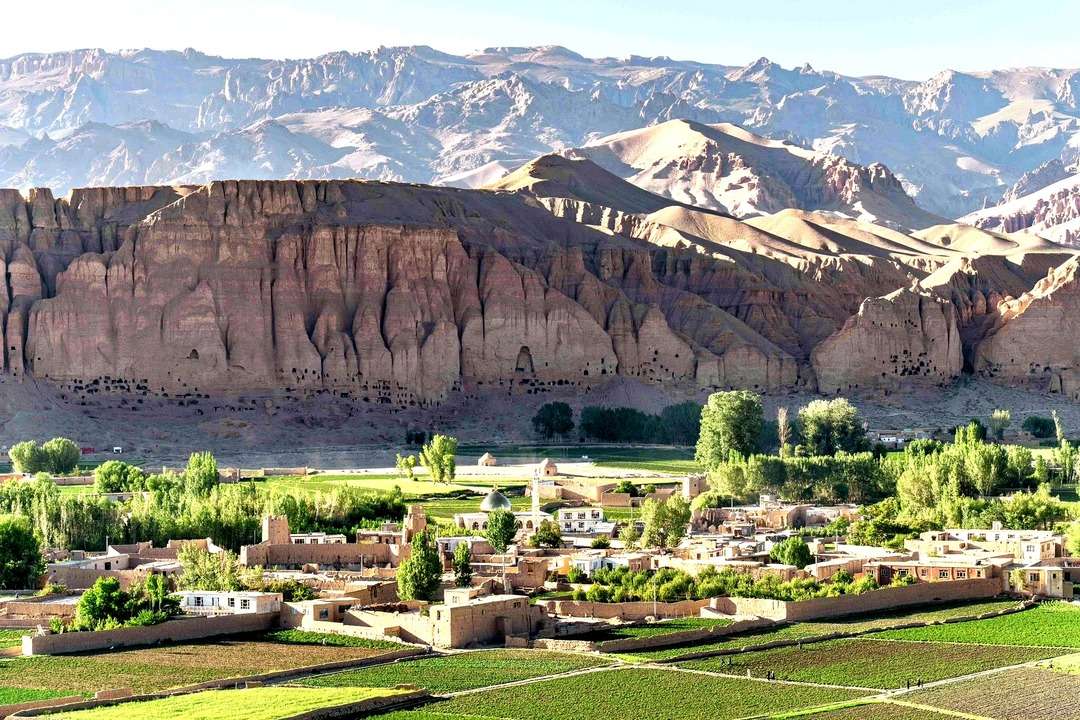
Bamyan, located in the heart of Afghanistan, is one of the country’s most remarkable destinations for both cultural heritage and natural landscapes. Unlike other regions that are often associated with conflict, Bamyan has historically offered visitors a rare combination of safety, hospitality, and authenticity. It is best known for the giant Buddha statues carved into the cliffs, the picturesque valleys, and the stunning lakes of Band-e Amir, often referred to as Afghanistan’s “natural crown jewels.”
This article compiles and analyzes first-hand experiences of foreign travelers who visited Bamyan and surrounding areas. Their stories not only reflect the beauty of the region but also provide valuable insights into how Afghanistan is perceived when seen beyond headlines of war.
Historical and Cultural Significance
The Buddhas of Bamyan
Dating back to the 6th century, the two giant Buddha statues (standing at 55 meters and 38 meters) were once the tallest in the world. Carved directly into the cliffs of the Bamyan Valley, they symbolized the region’s role as a hub of Buddhist learning along the Silk Road.
In 2001, these cultural treasures were tragically destroyed by the Taliban, sparking global outrage. Yet today, the empty niches where the Buddhas once stood continue to attract travelers. Many visitors describe this site as a “monument of absence”—a haunting reminder of both Afghanistan’s rich past and its turbulent present.
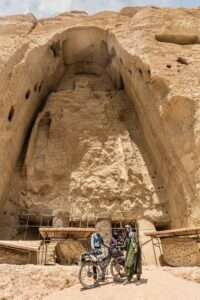
Surrounding the statues are hundreds of ancient caves, where Buddhist monks once lived, meditated, and painted murals. Some caves still display fragments of colorful frescoes, offering glimpses of a forgotten civilization.
Shahr-e Zuhak (The Red City)
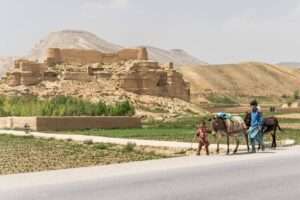
On the eastern edge of the valley lies the fortress of Shahr-e Zuhak, also known as the Red City due to its crimson rock formations. Once a military stronghold along the Silk Road, it served as a strategic defense point against invading forces. Today, the fortress stands in ruins, yet its towers and walls provide sweeping views over the valley.
Foreign visitors often describe climbing Shahr-e Zuhak as an almost mystical experience, where history and breathtaking landscapes merge into one.
Shahr-e Gholghola (City of Screams)
Another impressive archaeological site is Shahr-e Gholghola, or the City of Screams. This city was destroyed in 1221 during the Mongol invasion, after a fierce resistance against Genghis Khan. Its name originates from the cries of its inhabitants during the massacre.
Although now in ruins, the hilltop site allows travelers to imagine the once-thriving city while overlooking the modern town of Bamyan. Visitors often describe the atmosphere as somber yet awe-inspiring.
The Hazara People and Their Culture of Bamyan
Bamyan is predominantly home to the Hazara people, an ethnic group with a rich cultural heritage. The Hazara are known for their hospitality, resilience, and dedication to education, even under challenging political circumstances.
Foreign travelers frequently highlight the kindness of Bamyan’s residents. Many describe sharing tea with locals, staying in family-run guesthouses, and experiencing authentic Afghan hospitality. Some visitors were particularly struck by the fact that girls’ education was still continuing in Bamyan, making the region a symbol of cultural perseverance.
Natural Beauty: Band-e Amir National Park of Bamyan
Just 75 km from Bamyan city lies Band-e Amir, Afghanistan’s first national park and one of the country’s most spectacular natural wonders. Located at over 3,000 meters above sea level, Band-e Amir consists of six deep, blue lakes separated by natural travertine dams.
Foreign visitors often describe their first view of Band-e Amir as unforgettable. The lakes, with their sapphire and turquoise waters surrounded by rugged cliffs, have been compared to natural wonders in Utah and Colorado. Camping on the cliffs provides extraordinary scenery, though some travelers note the challenge of strong winds and sudden thunderstorms.
In recent years, a small tourist village with modest hotels and guesthouses has developed near the lakes, offering visitors a chance to rest more comfortably after nights of camping.
Foreign Travelers’ Experiences and Perspectives of Bamyan
Visitors’ accounts provide unique insights into Bamyan:
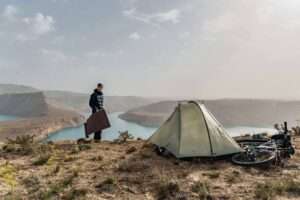
- Adventure and Challenge: Cycling or traveling to Bamyan often involves dusty roads, steep mountain passes, and occasional security checkpoints. Travelers describe it as physically demanding yet immensely rewarding.
- Sense of Safety: Compared to other provinces, many foreign travelers reported feeling relatively safe in Bamyan. Local communities welcomed them warmly, and curiosity from residents often turned into friendly exchanges.
- Cultural Exchange: Meeting Hazara families, visiting local tea houses, and attending cultural events left long-lasting impressions. Some travelers noted that even short conversations with villagers deepened their understanding of Afghanistan.
- Contrast with Media Images: Perhaps the most significant theme is how Bamyan defies the international image of Afghanistan. Instead of war and destruction, travelers encountered landscapes of peace, history, and kindness.
Challenges and Opportunities for Tourism of Bamyan
Despite its appeal, Bamyan faces obstacles in developing sustainable tourism:
- Infrastructure Limitations: Roads, hotels, and tourist facilities remain underdeveloped.
- Political Uncertainty: Ongoing instability in Afghanistan continues to discourage large-scale international tourism.
- Cultural Preservation: Sites like the Buddhas and Shahr-e Gholghola require protection from both natural erosion and human neglect.
However, opportunities are vast:
- UNESCO World Heritage Sites give Bamyan global recognition.
- Ecotourism in Band-e Amir could provide economic growth for local communities.
- Cultural Tourism can foster global understanding and peacebuilding.
In The End
Bamyan represents more than just a tourist destination. It is a living testament to Afghanistan’s history, resilience, and diversity. Through the eyes of foreign visitors, Bamyan emerges not as a land of conflict, but as a place of stunning landscapes, ancient civilizations, and warm-hearted people.
Promoting Bamyan as a center for sustainable tourism could reshape Afghanistan’s image on the global stage, while providing local communities with economic opportunities and renewed pride in their heritage.